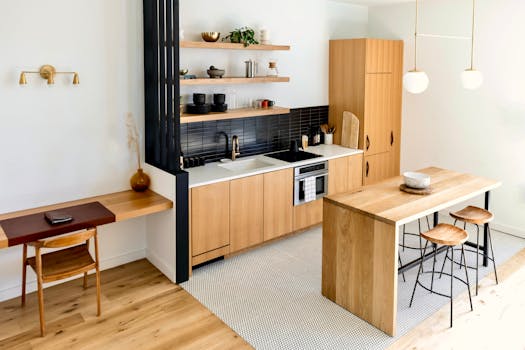

Have you ever stood in your kitchen, surrounded by a sea of gadgets and goods, and wondered if there’s a better way? A way that not only brings order but also aligns with a more mindful, eco-friendly lifestyle? The good news is, there absolutely is. Organizing your kitchen sustainably isn’t just about decluttering; it’s a thoughtful process that impacts our planet and our well-being. It’s about making conscious choices that reduce waste, conserve resources, and create a more functional, enjoyable space.
Many of us associate organization with sterile, plastic-heavy solutions. But what if we could achieve a beautifully organized kitchen that also reduces our environmental footprint? This is precisely what learning how to organize your kitchen sustainably is all about. It’s a journey, not a destination, and one that offers immense rewards. Let’s dive into how you can transform your kitchen into a beacon of mindful living.
Declutter with Purpose: The Foundation of Sustainable Organization
Before you even think about containers or labels, the most crucial step in how to organize your kitchen sustainably is a thorough declutter. This isn’t just about clearing out expired spices; it’s about assessing what you truly need and use.
The “One In, One Out” Rule: For every new kitchen item that enters your home, commit to donating or responsibly discarding an existing one. This simple habit prevents clutter from accumulating in the first place.
Embrace the Minimalist Mindset: Do you really need five different types of peelers? Ask yourself if an item serves a unique purpose or if it duplicates functionality. Excess items often lead to unnecessary consumption and waste.
Repair, Don’t Replace: Before discarding a slightly wobbly utensil or a chipped bowl, consider if it can be repaired. A bit of glue or a quick mend can save a perfectly good item from the landfill.
Responsible Disposal: For items that truly need to go, explore local donation centers, recycling programs, or hazardous waste disposal sites for items like old electronics or batteries.
Smart Storage: Rethinking Your Kitchen’s Ecosystem
Once you’ve decluttered, the real fun begins: implementing smart, sustainable storage solutions. This is where you can truly make a difference by choosing materials and methods that minimize environmental impact.
#### Opting for Eco-Friendly Materials
The containers and organizers you choose are paramount. Steer clear of single-use plastics and opt for durable, natural, or recycled materials.
Glass Jars: These are the unsung heroes of sustainable kitchens. They are perfect for storing dry goods like grains, pasta, nuts, and seeds. Plus, they look fantastic on open shelves, offering a clear view of your pantry’s contents.
Bamboo and Wood: These natural materials are biodegradable and renewable. Look for bamboo drawer dividers, wooden spice racks, or wooden cutting boards. They add warmth and character to your kitchen.
Recycled Plastics: If plastic is unavoidable, choose items made from recycled materials. Many companies now offer stylish and durable storage solutions crafted from post-consumer recycled plastics.
Metal Containers: Stainless steel and tin are durable, long-lasting, and recyclable options for storing various food items.
#### Strategic Placement for Efficiency
Where you store things matters for both convenience and sustainability.
Vertical Space: Utilize wall space with shelves, magnetic strips for knives, or hanging pot racks. This frees up valuable counter and drawer space, making your kitchen feel more open and less cluttered.
Zone Your Kitchen: Group similar items together. Have a baking zone, a breakfast station, or a coffee corner. This reduces time spent searching and minimizes energy wasted by leaving lights on longer than necessary.
Easy Access for Staples: Keep frequently used items at eye level or within easy reach. This not only saves time but also encourages using what you have before it expires.
Pantry Perfection: Keeping Food Fresh and Reducing Waste
A significant aspect of how to organize your kitchen sustainably involves tackling food waste. An organized pantry is your first line of defense against forgotten produce and stale ingredients.
First-In, First-Out (FIFO): Always place newer items behind older ones. This simple principle ensures that you use up older ingredients before they spoil.
Visible Storage: As mentioned, glass jars are excellent for visibility. For produce, consider open baskets or breathable bags that allow air circulation, prolonging freshness.
Label Everything: Use chalk markers or reusable labels on jars and containers. Include the item’s name and, if relevant, the date you opened or purchased it. This eliminates guesswork and prevents accidental spoilage.
Leftover Love: Designate a specific shelf or area for leftovers. Clear, stackable containers make it easy to see what’s available, encouraging their consumption rather than their abandonment to the back of the fridge.
Beyond the Basics: Creative & Conscious Kitchen Habits
Organizing your kitchen sustainably extends beyond just physical placement. It involves adopting mindful habits that reduce your overall impact.
Reusable Bags and Containers: Make it a habit to use reusable grocery bags, produce bags, and food storage containers. This significantly cuts down on single-use plastic waste.
DIY Solutions: Instead of buying new organizers, get creative! Old jars can become spice holders, empty tins can store utensils, and repurposed wooden crates can serve as stylish pantry shelves.
Composting Station: Set up a small, accessible composting bin for food scraps. This diverts organic waste from landfills and creates valuable fertilizer for your garden or local community gardens.
* Water Conservation: Install a low-flow faucet aerator and be mindful of water usage when washing dishes or produce.
Wrapping Up: Your Sustainable Kitchen Journey Awaits
Learning how to organize your kitchen sustainably is a rewarding endeavor that benefits both your home and the planet. It’s a shift from a disposable mindset to one of mindfulness, resourcefulness, and intention. By decluttering with purpose, choosing eco-friendly storage, prioritizing food preservation, and adopting conscious habits, you’re not just creating a tidy kitchen; you’re cultivating a more sustainable lifestyle. Embrace the process, make small, consistent changes, and enjoy the serene, efficient, and environmentally responsible kitchen you’ve created. Your culinary sanctuary will thank you, and so will the Earth.